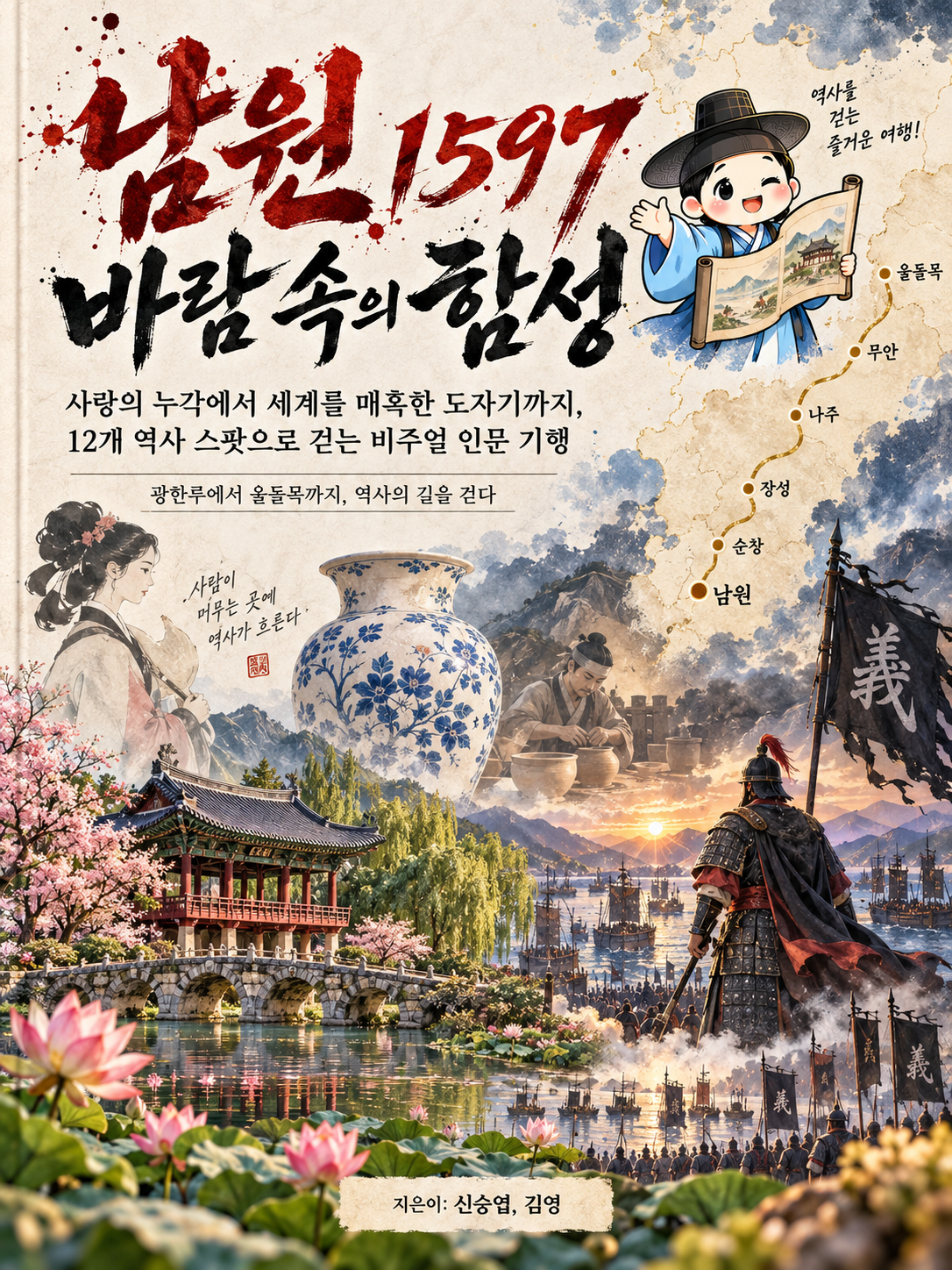
[머리말] 남원의 바람 속에서 역사를 묻고, 내일의 아이들에게 문화를 건네다
지은이 머리말
남원의 바람 속에서 역사를 묻고, 내일의 아이들에게 문화를 건네다
삶의 터전이 된 남원, 아이들과 함께 걸어온 배움의 길목에서
우리는 저마다의 인연으로 지리산 자락, 맑은 요천(蓼川)이 흐르는 전북 남원에 터를 잡았습니다.
한 사람은 복잡한 도시를 떠나 사랑하는 가족들과 함께 이곳 남원에 삶의 보금자리를 마련했습니다. 주말이나 일과를 마친 저녁이면 아이들의 손을 잡고 광한루원을 자주 찾았습니다. 아이들은 푸른 잔디와 정자 사이를 신나게 뛰어다니고, 오작교 돌다리 밑으로 떼 지어 헤엄치는 커다란 잉어들을 바라보며 마냥 신기해했습니다. 그러다 연못가 춘향 사당을 보며 “아빠, 춘향이가 대체 누구예요? 왜 사람들이 여기에 절을 해요?”, 읍성의 옛 성벽을 만지며 “이 커다란 돌들은 옛날에 어떻게 쌓았어요?” 하고 묻곤 했습니다. 서가 속 딱딱한 활자에 머물던 역사가, 아이들의 반짝이는 눈망울과 순수한 질문을 통해 비로소 살아 숨 쉬는 이야기로 다가온 순간이었습니다. 아이들이 던진 이 꾸밈없는 물음들은 부모이자 글을 쓰는 이의 마음을 흔들었고, 남원이 품은 깊은 역사와 문화의 가치를 제대로 들려주고 싶다는 가장 소중한 다짐이 되었습니다.
또 한 사람은 남원국악예술고등학교에서 학생들을 가르치는 교사로서 남원의 들과 내를 마주해 왔습니다. 판소리 동편제의 웅혼한 숨결이 태동한 이 땅에서, 재능과 열정을 품은 예술 학도들과 매일 호흡하며 남원이 지닌 예술적 자산과 역사적 깊이를 온몸으로 체감했습니다. 특히 1597년 정유재란이라는 거대한 전쟁의 소용돌이 속에서 영문도 모른 채 일본으로 끌려가야 했던 ‘남원의 피랍 도공들’—그들이 남긴 흙과 불, 그리고 타국에서 400년을 버텨낸 예술혼에 대한 학문적 갈증과 연민은 늘 교단의 가슴을 뜨겁게 달구었습니다. 학생들에게 전통 예술을 가르치고 함께 연구하며 축적된 지식은 단지 교실 안에만 갇혀 있을 수 없었습니다.
그렇게 역사의 현장을 치밀하게 고증하여 서사를 집필한 신승엽 작가가 남원의 숭고한 역사 앞에 마주 앉았습니다. 우리가 남원에 살며 아이들과 제자들에게 물려주고 싶었던 것은 단순한 연민이나 슬픔이 아니었습니다. 400여 년의 세월을 뛰어넘어 오늘날 전 세계가 감탄하는 당당한 ‘문화적 자산(Cultural Heritage)’이자, 세상 모든 사람들이 반드시 알아야 할 인간 존엄과 극복의 교훈이었습니다.
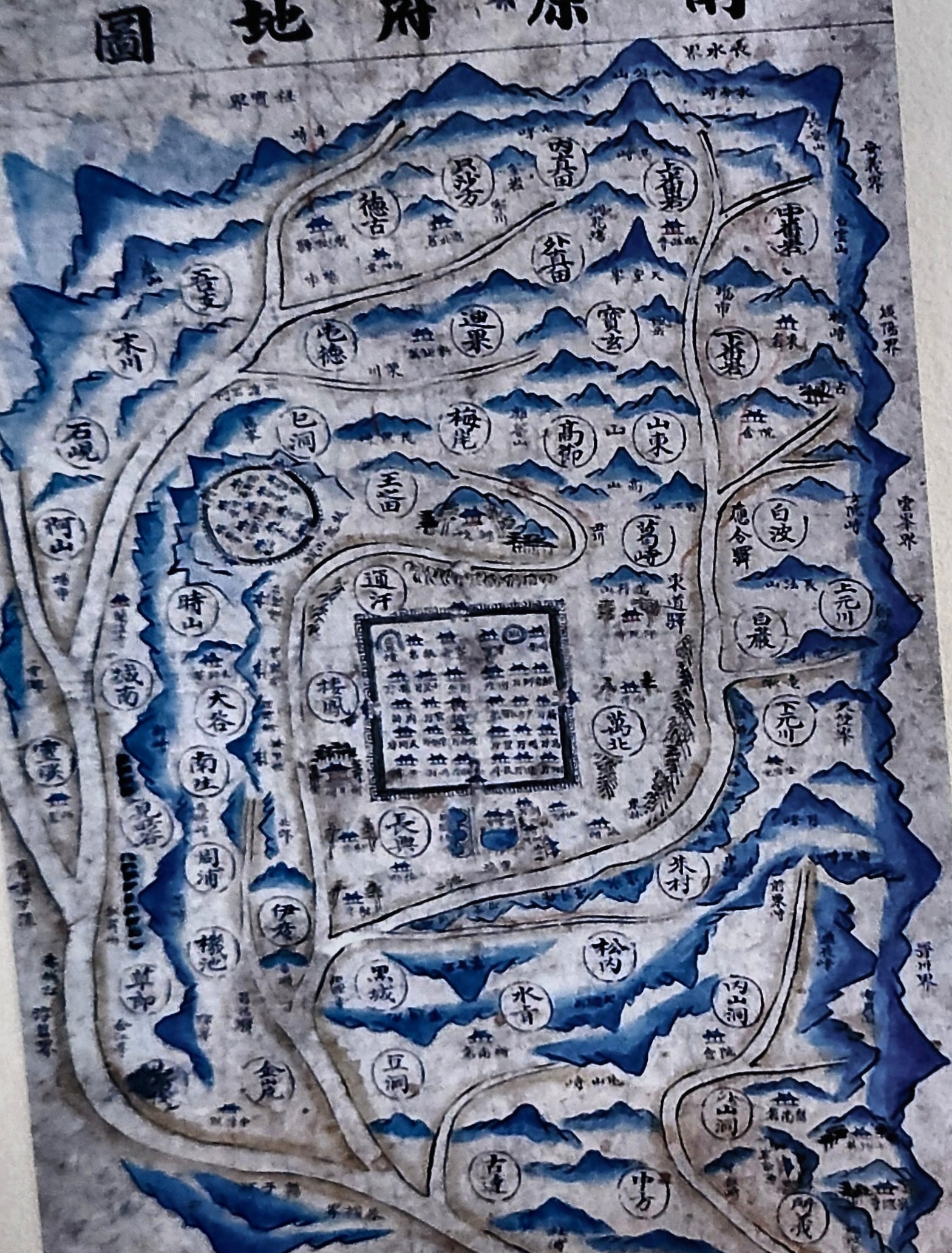
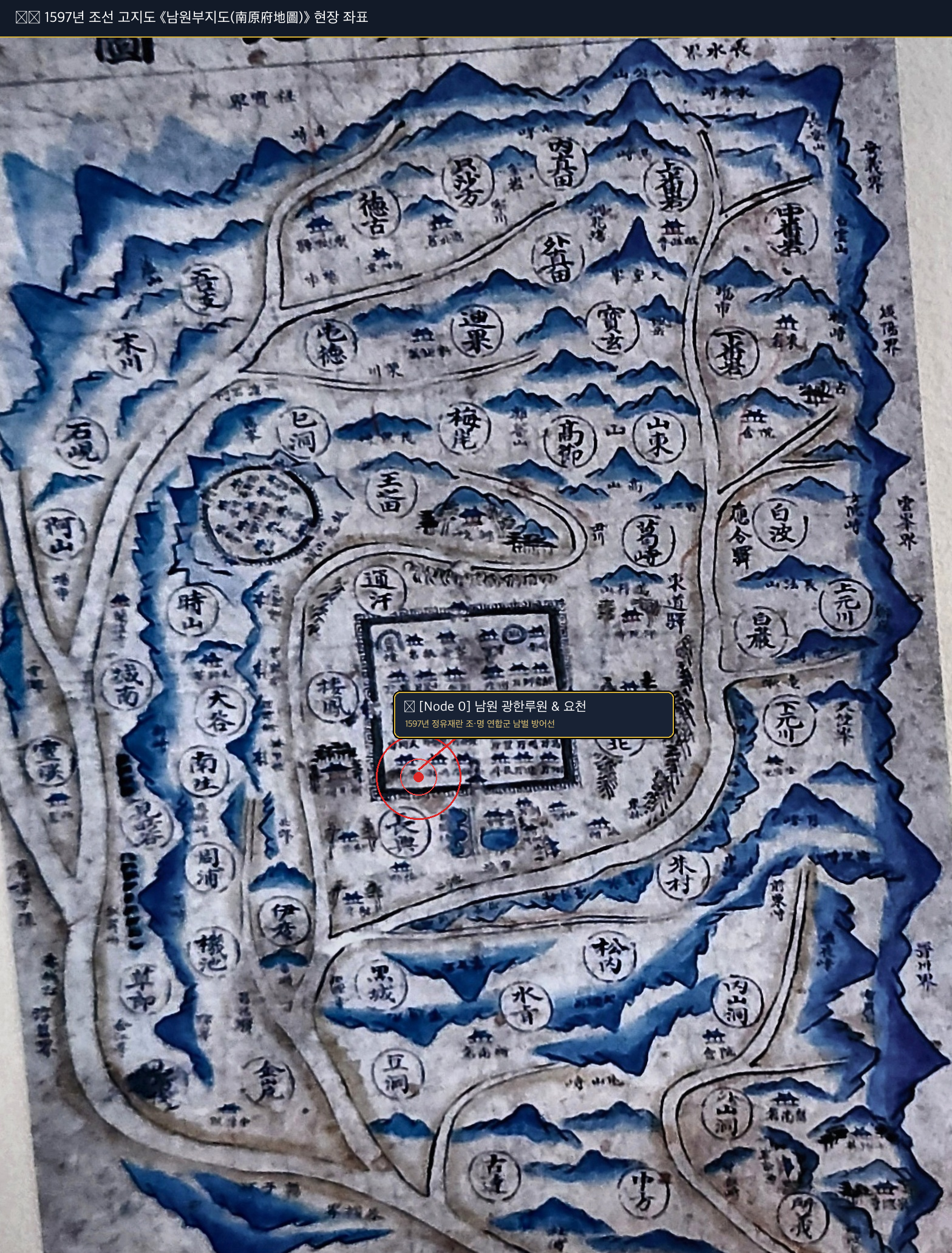
▲ [도판 1] 18세기 관찬 《남원부지도(南原府地圖)》 남원읍성 내부 12개 관아 및 4대문 배치도 원본 (영남대학교 박물관 소장 《전라남북도여지도》 수록본) — 네모반듯한 성벽 안에 객사 용성관(龍城館), 수령이 집무하던 관사(官舍), 무기고인 군기(軍器), 향청·작청·장청 등 관아 건물들이 정연하게 배치되어 있습니다. 특히 성곽 내부에는 1597년 남원성 전투에서 끝까지 싸우다 순절한 8대 지휘관을 기리는 사우인 '정유란순절팔충렬단(丁酉亂殉節八忠烈壇)'이 뚜렷이 표기되어 있어, 남원 땅이 겪었던 숭고한 충절의 역사를 관찬 고지도로 증언하는 귀중한 1차 사료입니다.

▲ [웹툰 1] "400년 전 평화와 역사가 살아 숨 쉬는 남원으로 함께 떠나볼까?"
남원, 호남의 대관문(Gate)이자 조선을 받쳐 든 거대한 기둥
오늘날 남원을 그저 고즈넉한 판소리와 춘향전의 고향으로만 기억하는 이들이 많습니다. 그러나 사료의 먼지를 털어내고 마주한 남원은 과거 호남의 심장이자 절대 물러설 수 없는 요충지였습니다.
남원은 전라도와 경상도, 충청도를 가르고 잇는 사통팔달의 ‘대관문(Gate)’이었으며, 곡창 호남 전체를 든든하게 받쳐주던 가장 거대한 ‘문화·군사적 기둥(Pillar)’이었습니다. 왜적이 호남의 곡창지대를 손에 넣고 한양으로 진격하기 위해 반드시 넘어야 했던 곳도, 조선과 명나라 연합군이 온 힘을 다해 사수하고자 했던 최후의 보루도 바로 남원읍성이었습니다. 1597년 8월, 4천의 조·명 연합군과 수많은 군민들이 5만 6천 왜군의 파도에 맞서 나흘 밤낮을 피로 물들이며 보여준 처절한 결사항전은, 임진왜란에 이어 정유재란이라는 국가적 대위기 속에서 이 땅의 민초들이 나라를 지키기 위해 흘린 숭고한 충절의 상징이었습니다.
우리는 이 책을 엮으며 과거의 기록을 결코 가볍게 다루지 않고자 했습니다. 정유재란의 생생한 현장 증언인 조경남(趙慶男)의 《난중잡록(亂中雜錄)》을 비롯하여, 《조선왕조실록》, 류성룡의 《징비록》, 만인의총 연구 사료, 그리고 오늘날 남원의 역사와 호남 의병사를 평생에 걸쳐 발굴해 온 김세곤 선생의 역작 《정유재란과 호남사람들》 등 수많은 선학(先學)과 향토 사학자들의 피땀 어린 연구 성과를 깊이 학습하고 그들의 혜안을 겸허히 원고 속에 녹여냈습니다.
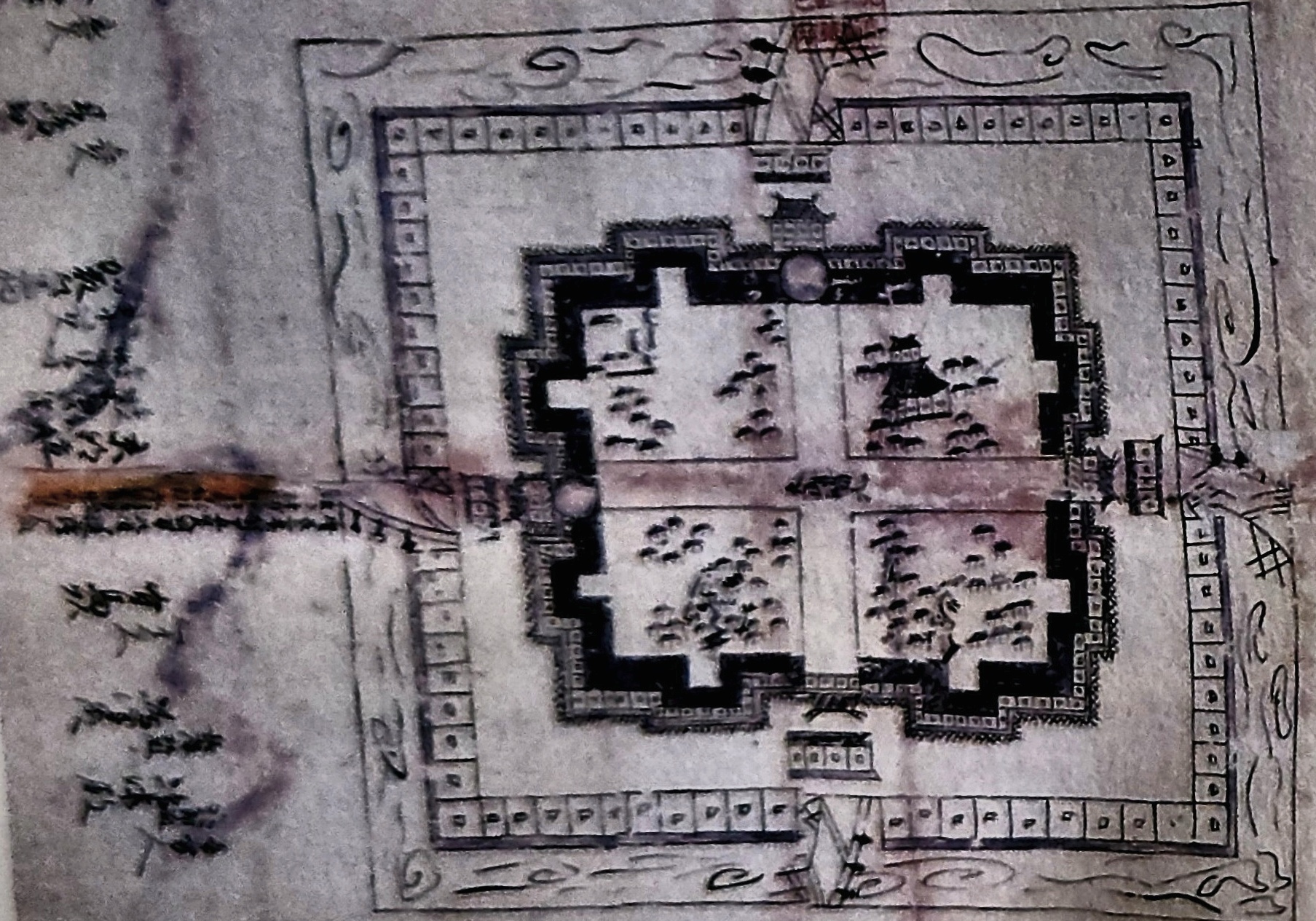
▲ [도판 2] 4천 결사대가 5만 6천에 맞선 1597년 《남원성 침공 작전도》 (왜장 가와가미 후사구니 군공문서, 만인의총 소장)

▲ [웹툰 2] "성벽 돌 하나하나에 호남을 지켜낸 민초들의 숨결이 깃들어 있어!"
비극의 눈물을 딛고, 문화적 교류와 극복의 역사로
그동안 정유재란과 남원의 역사를 다룬 기록들은 주로 패배의 비극과 참혹한 살육, 그리고 슬픔의 정서에 머물러 있었습니다. 코와 귀가 베여 왜국으로 건너간 만인의 희생은 분명 가슴 찢어지는 비극입니다. 그러나 우리는 이 책에서 비극의 눈물만을 말하고 싶지 않았습니다.
왜군이 눈독을 들인 것은 곡식과 땅만이 아니었습니다. 그들이 약탈해 간 것은 바로 당대 최고의 기술이었던 조선의 ‘도자기 기술’과 ‘도공들’이었습니다. 정유재란 전후 사쓰마로 연행된 조선계 도공 집단 가운데 심당길(沈當吉)과 박평의(朴平意) 계열은 가고시마 나에시로가와에서 흙과 불을 다루며 《히바카리(火ばかり)》 전승과 함께 400년 동안 한국 성씨 ‘심(沈)’의 계보를 지켜내며 세계적 명성의 ‘사쓰마 도자기’를 꽃피웠습니다. 또한 남편 사후 도공 공동체를 이끌고 아리타(有田)로 이주하여 도업을 번창시킨 여성 도공 백파선(百婆仙)의 발자취는 1705년 건립된 추모비와 함께 오늘날까지 양국 도예 문화 교류의 상징으로 기억되고 있습니다.
이것은 전쟁 속에서도 기술과 예술이 사람을 따라 이동하고, 가혹한 시련을 딛고 다시 새로운 문화를 꽃피워낸 인간 극복의 서사입니다.
오늘날 대한민국이 세계와 소통하며 다양한 문화를 꽃피우는 시대에, 우리는 400년 전 전란 속에서도 꺾이지 않았던 장인들의 예술혼과 민초들의 불굴의 의기(義氣)를 오늘의 문화적 교류와 연결하여 깊이 있게 되돌아보고자 합니다.
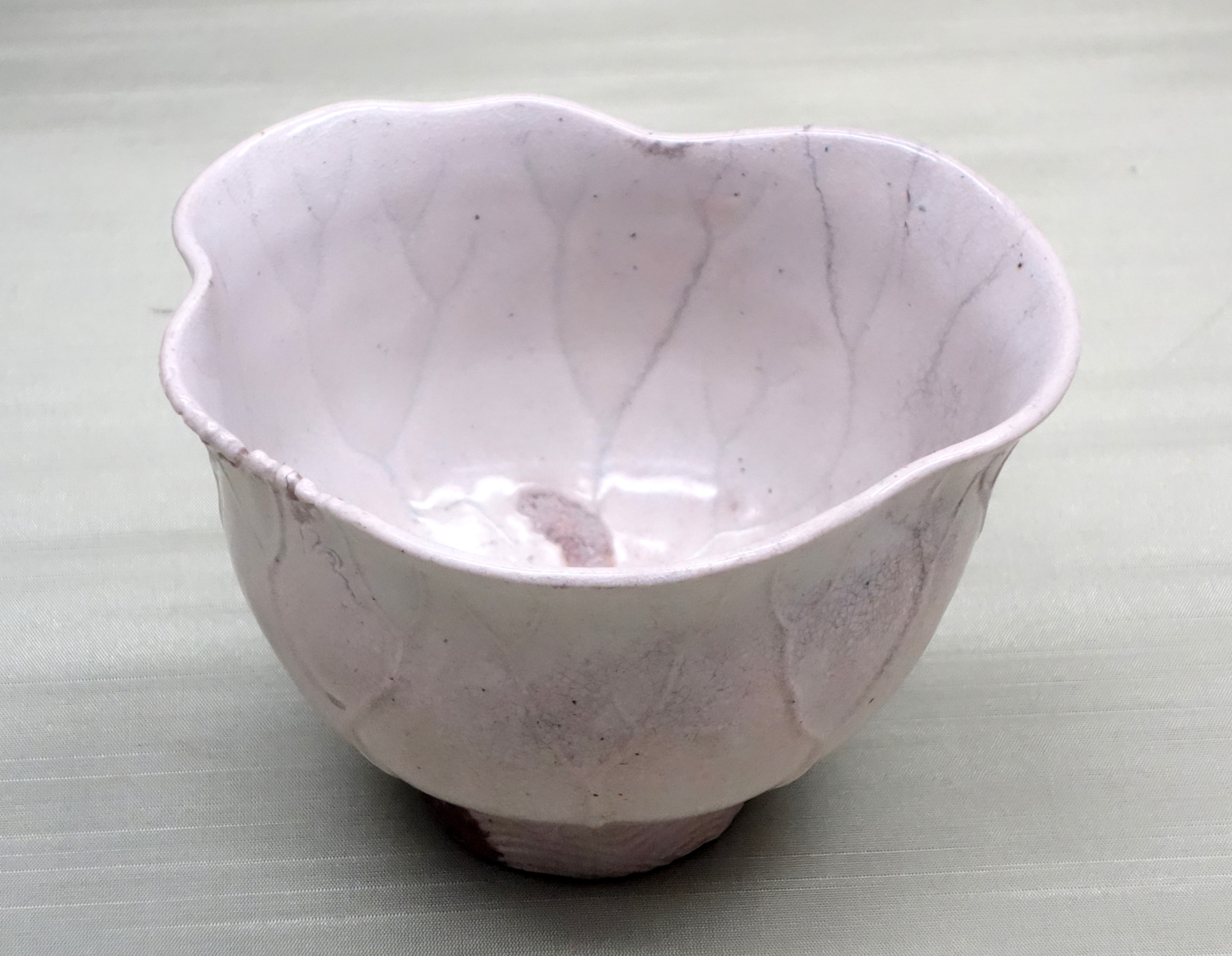
▲ [도판 3] 조선계 도공의 혼이 서린 사쓰마 《히바카리(火ばかり)》 찻사발 전승

▲ [웹툰 3] "세계를 매혹한 도공들의 예술혼, 전란을 딛고 피어난 문화의 힘이야!"
미래를 살아갈 아이들과 청소년들에게
이 책은 남원의 골목과 유적을 사랑하는 부모의 마음, 그리고 교단에서 학생들의 빛나는 눈동자를 바라보는 교사의 간절한 진심이 합쳐져 태어났습니다.
역사는 외워야 할 연대표나 골치 아픈 시험 문제가 아닙니다. 우리가 발 딛고 서 있는 바로 이 땅 밑에 묻힌 어른들의 뜨거웠던 삶의 이야기입니다. 자라나는 남원의 아이들과 학생들, 나아가 대한민국 방방곡곡의 청소년들이 이 책을 통해 “우리가 서 있는 이 고향이 얼마나 긍지 높은 문화의 땅이었는가”를 가슴 벅차게 깨닫기를 소망합니다. 아울러 어려운 역사 서술에 지치지 않도록, 친근하고 따뜻한 8컷 웹툰과 생생한 유물 도판을 함께 엮어 온 가족이 함께 미소 지으며 대화할 수 있는 다정한 길잡이가 되고자 노력했습니다.
우리가 남원에서 발견한 이 눈부신 문화적 유산과 역사적 진실이, 책을 펼쳐 든 모든 독자들의 마음속에 단단한 자긍심과 따스한 감동의 불씨로 피어나기를 진심으로 기원합니다.
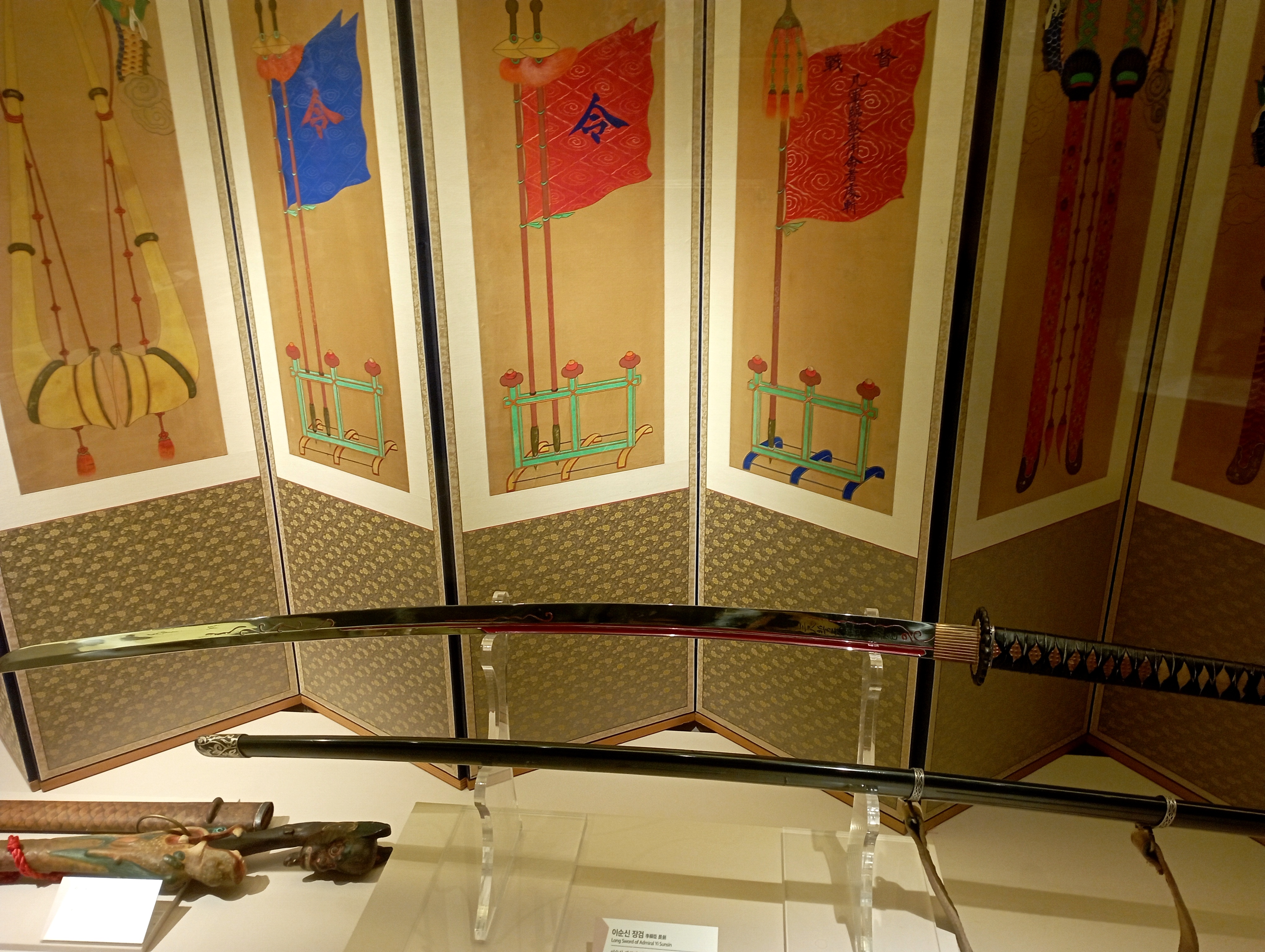
▲ [도판 4] 조국을 구한 충무공 이순신 장군의 장검(국보, 아산 현충사 소장) — "일휘소탕 혈염산하(一揮掃蕩 血染山河, 한 번 휘둘러 쓸어버리니 붉은 피가 강산을 물들이도다)"라는 친필 검명이 새겨진 197.5cm의 의장용 장검(1594년 제작). 국가적 위기 속에서 충무공은 133척 규모의 적 함대와 맞서 싸운 명량의 기적을 거쳐 조·명 연합수군의 노량해전에 이르기까지 바다를 지켜냈습니다.

▲ [웹툰 4] "온 가족이 함께 쉽고 재미있게 우리 역사의 자긍심을 느껴보자!"
[독자를 위한 안내] 이 책을 읽기 전에 — 기록과 재현에 대하여
이 책은 《조선왕조실록》, 《난중일기》, 《징비록》, 《난중잡록》 등 1차 사료와 현대 학술 연구, 지역 전승을 함께 활용하였습니다.
사료에서 직접 확인되는 사실과 후대 전승이 다른 경우 이를 구분해 서술했으며, 당시의 분위기를 생생하게 전달하기 위해 구성한 대사와 장면은 ‘문학적 재구성’ 또는 ‘상상 복원’으로 표시하였습니다.
전쟁 당시 병력과 희생자 수는 기록마다 차이가 있어 가능한 경우 자료의 범위와 출전을 함께 밝혔습니다.
충무공 이순신의 맹세 (1597년 음력 8월)
"今臣戰船 尙有十二 (금신전선 상유십이)
제게는 아직도 열두 척의 배가 남아 있나이다.
죽기를 각오하고 힘을 다해 싸운다면 오히려 능히 맞설 수 있습니다!"— 삼도수군통제사 이순신, 선조 임금에게 올린 결전 장계 중에서 (이충무공전서 권2)
(나라의 존망이 걸린 위기 속에서도 결코 꺾이지 않았던 군관민의 헌신 위에서, 장군은 133척 규모의 적 함대에 맞서 싸우는 명량의 승리를 준비하고 있었습니다.)
2026년 가을
지리산의 맑은 바람이 요천을 스쳐 지나가는 남원에서
지은이 신 승 엽 · 김 영
아르떼영 역사문화 연구소
[Preface] Questioning History in the Winds of Namwon, Passing Down Culture
Authors' Preface
Listening to the Winds of Namwon: Sharing the Soul of Korean History with the World
Why We Compiled This Global English Edition
We created this global English edition with a heartfelt and earnest mission: to share the true, living essence of Korean history with readers across the world.
Today, the phenomenon known as K-Culture sparks curiosity, joy, and inspiration across continents—from infectious melodies and cinematic storytelling to literature, cuisine, and traditional arts. Millions around the globe find themselves drawn to the dynamic energy of contemporary Korea. Yet beneath this vibrant, dazzling surface lies a history marked by profound trials, quiet sacrifices, and deeply sorrowful chapters that remain largely untold outside of East Asia.
The beauty of K-Culture did not emerge out of thin air. It was forged in the crucibles of survival, molded through centuries of resilience, and preserved by generations of ordinary people who fiercely guarded their cultural identity against overwhelming odds. We felt a calling to illuminate this deeper narrative: to show international readers that behind the colorful tapestries of modern Korean culture lie sacred places, living memories, and timeless values that have been lovingly preserved across centuries—and that these preserved heritages are among humanity’s most precious treasures.
Above all, we wish to convey a universal message through this book: What can we share together through K-Culture, and how does it connect us to the wider world? True culture is not a monologue of national pride; it is a bridge of empathy. When international readers walk the moss-covered walls of Namwon, listen to the defiant sorrow of master potters who nurtured global porcelain in exile, and witness the unyielding spirit of a people who stood for human dignity, we hope they recognize a shared human journey. K-Culture is an invitation to connect, to heal, and to discover universal courage together.
Planting Roots in Namwon: Learning Alongside Our Children and Students
By distinct yet converging paths of destiny, we came to establish our roots in Namwon, North Jeolla Province—a historic city nestled beneath the sacred ridges of Mount Jirisan, where the clear waters of the Yocheon River flow gently.
One of us left the crowded city to build a welcoming home in Namwon with family. On weekends or quiet evenings after work, we often visited Gwanghalluwon Garden holding our children's hands. The kids would run freely across the spacious green lawns and pavilion gardens, marveling at the giant carp swimming gracefully beneath the arched stone bridge of Ojakgyo. Gazing toward the shrine of Chunhyang by the pond, they would curiously ask, “Dad, who was Chunhyang really? Why do people bow here?” and touching the weathered stones of the ancient fortress wall, “How did people lift and build these enormous stones long ago?” History, which had remained frozen as rigid text on a bookshelf, suddenly came alive as a vibrant story through the sparkling eyes and genuine questions of our children. These candid questions deeply moved the heart of this parent and writer, becoming our most heartfelt motivation to convey the profound historical and cultural spirit of Namwon to future generations.
The other author has spent years teaching passionate young minds at Namwon National Arts High School. In this very birthplace of Dongpyeonje—the bold, majestic school of Pansori (traditional Korean narrative opera)—breathing alongside talented art students every day allowed a visceral realization of Namwon’s extraordinary cultural pedigree. In particular, the heartbreaking saga of the "abducted Namwon potters" during the 1597 Jeongyu War—craftsmen forcibly torn from their homeland who sparked a worldwide ceramic revolution across the sea—ignited an enduring scholarly passion and profound empathy. The knowledge accumulated through classroom instruction and archival research could no longer remain inside school walls.
Thus, a resident parent raising children in Namwon and an educator mentoring future traditional artists came together before Namwon’s sacred past. What we wished to pass down to our children, our students, and now global readers was not mere sorrow or victimhood. Rather, it was a magnificent cultural legacy that transcends four centuries—a universal lesson in human dignity, relentless resilience, and cultural triumph that the world deserves to know.
▲ [Plate 1] Original 18th-Century Official Map Namwonbu Jido (Jeolla Atlas, Yeungnam University Museum Collection) — Showing the four gates and 12 government offices within the square stone walls of Namwon Fortress, including the Yongseonggwan Guesthouse, Magistrate's Office, and Armory. Notably, it prominently marks the Jeongyuran Sunjeol Palchungnyeoldan (Shrine to the Eight Loyal Martyrs of the 1597 Siege), providing official cartographic testimony to Namwon's heroic resistance.
▲ [Webtoon 1] "Hello! Come explore the vibrant 400-year history of Namwon with me!"
Namwon: The Grand Gateway of Honam and the Pillar of Joseon
Many today remember Namwon solely as the peaceful, romantic setting of The Tale of Chunhyang or the home of soulful folk music. Yet beneath the dust of historical archives lies a starkly different reality: Namwon was once the beating geopolitical heart of southwestern Korea.
Strategically situated where Jeolla, Gyeongsang, and Chungcheong provinces converge, Namwon served as the vital "Grand Gateway" (Gate) and the unshakeable "Cultural and Military Pillar" supporting the entire Honam breadbasket. To seize the fertile plains of Jeolla and strike northward toward the royal capital of Hanyang (Seoul), the invading Japanese armies had no choice but to break through Namwon. In August 1597, a coalition of Joseon soldiers, Ming allies, and local civilians stood against a massive vanguard of Japanese invaders. For four brutal days and nights, they fought with extraordinary bravery within the walls of Namwon Fortress, writing one of the most poignant chapters of resistance in East Asian military history.
In weaving this narrative, we approached primary sources with the utmost rigor and reverence. We meticulously studied Cho Gyeong-nam’s eyewitness war diary Nanjung Japrok, the Annals of the Joseon Dynasty, archival documents from the Tomb of Ten Thousand Martyrs, and the lifetime scholarship of regional historians such as Kim Se-gon’s definitive work The Jeongyu War and the People of Honam. Their collective wisdom and scholarly sweat form the bedrock of this book.
▲ [Plate 2] Authentic 1597 Japanese Siege Operation Map of Namwon Fortress by Gen. Kawakami Fusakuni
▲ [Webtoon 2] "Every single fortress stone breathes with the courageous spirit of everyday heroes!"
Beyond Tragedy: The Forgotten Roots of Global K-Culture
For centuries, historical narratives surrounding the Jeongyu War and the Siege of Namwon focused predominantly on destruction, severed ears and noses, and unbearable lamentation. While the sacrifice of countless souls remains deeply poignant, our mission in this book is to look beyond mourning.
What the invaders coveted most in Joseon was not merely land or grain; it was cutting-edge high technology—Joseon’s world-class ceramic artistry and master potters. Among the Joseon potters relocated to Satsuma (modern-day Kagoshima) around the time of the Jeongyu War, the lineages of Shim Dang-gil and Park Pyeong-ui established the celebrated kilns of Naeshirogawa. Through the enduring Hibakari tradition and by preserving their ancestral Korean surname 'Shim' for over 400 uninterrupted years, they gave birth to world-renowned Satsuma porcelain. Furthermore, Baek Pa-seon, an extraordinary Joseon woman leader who lost her husband in exile, courageously guided her potter clan to establish flourishing kilns at Arita, earning enduring veneration as a revered matriarch of the ceramic community alongside Yi Sam-pyeong.
This is not a tale of passive subjugation. It is an immortal testament to the triumph of Korean craftsmanship, proving that true culture cannot be extinguished by military steel.
Beneath the global blooms of contemporary K-Culture lies this profound, four-hundred-year-old root: the indomitable courage that defended Namwon's plains, the transcendent soul of master potters who nurtured beauty amidst exile, and the resonant catharsis of Pansori that gave voice to human grief and joy.
▲ [Plate 3] The Legendary Satsuma Teabowl Hibakari preserving the enduring tradition of Joseon artisans
▲ [Webtoon 3] "The artisan soul that captivated the world—this is the true, timeless root of global K-Culture!"
An Invitation to Global Readers and the Next Generation
This book was born from the heartfelt love of parents walking along historic ramparts, and the sincere dedication of an educator looking into the bright eyes of youth.
History is neither a dry list of dates to memorize nor an intimidating academic subject. It is the vivid, passionate life story of human beings who stood on the exact grounds we walk today. To make this historical odyssey accessible and deeply engaging for families and international readers alike, we have interwoven rigorous factual history with charming, full-color graphic comic strips, travel roadmaps, and pristine museum master plates.
We invite you to step into the ancient gates of Namwon, to feel the quiet winds blowing down from Mount Jirisan, and to discover the resilient heartbeat of Korea. May the radiant heritage and profound resilience chronicled here forge a warm and lasting bond between our home and yours.
▲ [Plate 4] Admiral Yi Sun-sin's Sacred Great Sword (National Treasure) and Battle Inscription — Engraved with his personal motto: "With a single sweep, blood stains mountains and rivers." While defenders on land resisted the invasion, Admiral Yi prepared for the legendary engagement of Myeongnyang, facing an invading fleet recorded at 133 enemy ships with merely 13 warships.
▲ [Webtoon 4] "No more dry history! Let's discover Korea's inspiring courage with warmth, joy, and pride!"
[Note to Readers] Before Reading This Book — On Records and Historical Reconstruction
This book utilizes primary historical sources—including the Annals of the Joseon Dynasty, Nanjung Ilgi, Jingbirok, and Nanjung Japrok—alongside modern scholarly research and regional traditions.
Where confirmed archival facts differ from later literary or oral traditions, they are explicitly distinguished. Dramatic dialogues and visual scenes created to convey historical context are designated as 'Literary Reconstruction' or 'Historical Re-creation.'
Figures concerning troop sizes and wartime casualties vary across documents; wherever applicable, the ranges and contexts of differing historical records are documented.
The Vow of Supreme Admiral Yi Sun-sin (August 1597)
"I still possess twelve warships.
If we fight with our lives on the line, we can yet defy the enemy!"— Supreme Admiral Yi Sun-sin, Memorial to King Seonjo (Yisungokjeonseo, Decisive Battle Memorial)
(While the land witnessed fierce resistance at Namwon, Admiral Yi stood resolute on the southern seas, preparing for the historic victory of Myeongnyang against a fleet of 133 ships.)
Autumn 2026
From Namwon, where the clean breezes of Jirisan brush gently over the Yocheon River
By Seung Youb Ssin & Young Kim
ArteYoung Institute of History & Culture


